



Ph.D. Students
Nile Bayard, B.S.

Born and raised in Philadelphia, Nile Bayard earned his Bachelor of Science in Biology from Haverford College. During his time as an undergraduate, he interned in Dr. Joseph Zackular’s Lab at The Children’s Hospital of Philadelphia where he worked on a project that elucidated the mechanisms of NSAID mediated damage in the colon during Clostridioides difficile infection, an enteric bacterial pathogen. After graduating in 2022, Nile continued his work in the Zackular Lab as research technician and laboratory manager. For the next two years he was a team member on a project that successfully developed an mRNA-LNP vaccine targeting several key virulence factors to protect against C. difficile in a murine model of disease. In the fall of 2024, Nile joined the Immunology Graduate Group at the University of Pennsylvania and in the summer of 2025, he continued to further his study in immunology under the guidance of Dr. Jilian Melamed. Nile is working on using LNPs as both therapeutic strategies and tools to further understand the host-immune interface of the gastrointestinal tract.
Roxanne E. Perez Tremble, B.S.

Roxanne E. Perez Tremble received her Bachelor of Science in Neuroscience, with distinction in her major and a minor in Psychology, from Temple University in 2023. As an undergraduate, she conducted research in the lab of Dr. Lisa Briand, where she studied the role of microglia in substance use disorder during adolescence. She also participated in the NURO/SIREN summer research program at the University of Michigan, working in Dr. Sara Aton’s lab to investigate the effects of a hypnotic compound on sleep restoration in a mouse model of Fragile X syndrome. In addition, she worked under the mentorship of Dr. Kurt Brunden at the University of Pennsylvania, where she examined the therapeutic potential of a microtubule-stabilizing agent in models of Alzheimer’s disease.
Following graduation, she was a scholar in the Post-Baccalaureate Research Education Program (PREP) at the University of Pennsylvania (2023–2024). During this time, she worked in the lab of Dr. Erica Korb, where she investigated the role of the histone variant H2BE in neurodevelopment, with a focus on how histone chaperones influence its incorporation and eviction from chromatin.
In 2024, she joined the Cell and Molecular Biology Graduate Group at the University of Pennsylvania and became a member of the Weissman Lab in 2025, where she is co-mentored by Drs. Lesley Chaboub and Jilian Melamed. Her current research interests include RNA-based therapeutics, particularly mRNA–lipid nanoparticle (LNP) delivery systems and their targeted application to the brain.
Breezy Brock, B.S.

V.M.D./Ph.D. Student
Breezy Brock earned her B.S. in Microbiology from Northern Arizona University in 2022, where she conducted undergraduate research with Dr. Crystal Hepp and Dr. Viacheslav Fofanov, focusing on environmental pathogen surveillance to understand their temporal and geographic spread. Breezy is a fourth-year VMD/Ph.D. candidate at the University of Pennsylvania, where her thesis focuses on developing next-generation mRNA-based HIV vaccine immunogens. Her work involves introducing cytoplasmic tail mutations into a stabilized trimeric Env protein to enhance surface expression and localization to specialized plasma membrane microdomains. This project aims to define how antigen availability and microdomain localization influence B cell precursor priming, with the goal of informing immunogen design strategies for HIV and other complex viruses. Guided by Dr. Drew Weissman and Dr. Edward Kreider, Breezy is committed to the One Health Initiative, developing cross-species vaccine strategies grounded in virology and immunology while fostering interdisciplinary collaboration to ensure that vaccine solutions address both human and animal health challenges in the face of emerging and existing pathogens.
Liam S. Chase, M.S.E.

Liam Chase earned his Bachelor of Science in Bioengineering, with a minor in Chemistry, from Temple University in 2021. During his undergraduate training, he conducted research spanning tissue engineering, biomaterials, and biomedical device design, including work on extrusion-based bioprinting, electrospraying, and microfluidic systems for skin tissue engineering. He also served as a visiting researcher at the Istituto Italiano di Tecnologia, where he contributed to projects involving fiber spinning, advanced 3D printing platforms, and custom microscope development for lung tissue engineering applications.
Following graduation, Liam joined the University of Pennsylvania Perelman School of Medicine as a research specialist, where he led and contributed to projects in nanomedicine and therapeutic development. His work has included the design and optimization of lipid nanoparticle (LNP) platforms, development of high-throughput screening assays for nanomedicine safety and efficacy, and in vivo studies evaluating biodistribution, immune interactions, and toxicity. He received his Master of Science in Engineering in Bioengineering from the University of Pennsylvania in 2024, with a focus on therapeutics, drug delivery, and nanomedicine.
In 2024, Liam joined the Bioengineering Graduate Group at the University of Pennsylvania and is currently completing his thesis work in the Weissman Lab under the mentorship of Dr. Jilian Melamed. His research focuses on engineering targeted mRNA lipid nanoparticle therapeutics to treat Type 1 Diabetes by reprogramming immune cell trafficking and promoting antigen-specific immune tolerance. His work aims to develop next-generation nanoparticle systems capable of selectively delivering genetic payloads to key immune populations, with the goal of preventing autoimmune destruction of pancreatic β-cells. More broadly, he is driven to advance precision nanomedicine platforms that improve safety, expand therapeutic accessibility, and enable transformative treatments for chronic and immune-mediated diseases.
Nicholas A. Cerda, B.S.
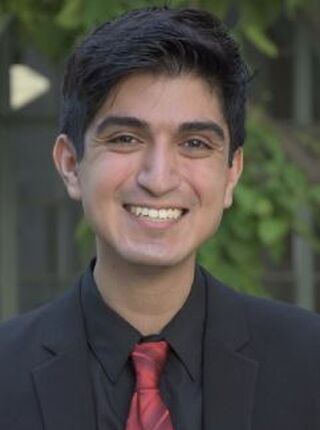
He/Him/His
Nicholas Cerda earned his B.S. in Biology at the University of Texas at Austin in 2021. While enrolled at the University of Texas, Nicholas was a member of the Croyle lab, where he completed his honors thesis. After entering Penn, Nicholas’ passion for vaccines and formulation science led him to be co-mentored by Drs. Drew Weissman and Hamideh Parhiz. His thesis work focuses on the area of lipid nanoparticles and their interactions with the immune system. He is also involved in several other projects such as lipid nanoparticle targeting. While not working in the lab, Nicholas also works on developing leadership skills through serving as an officer for the biomedical graduate student association board. Following his doctoral studies, Nicholas plans to pursue a postdoctoral position at the Vaccine Research Center in Gaithersburg.
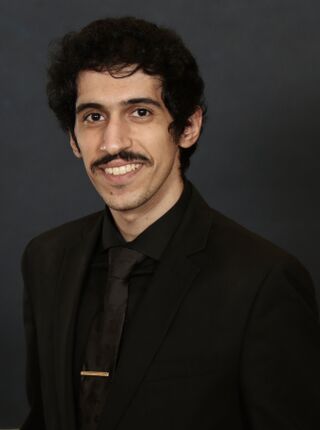
Ryan Krause, B.S.

Ph.D. Student
While completing his undergraduate studies in Biochemistry at Rowan University, Ryan studied therapeutics targeting microbial biofilm under Dr. Lark Perez. Upon completion of his B.S., Ryan served three years in the Peace Corps in Zambia where he facilitated community-health programs to mitigate the disease burden of HIV/AIDS, malaria, and other infectious diseases. In 2022, Ryan joined the Lab of Dr. Katharine Bar at the University of Pennsylvania as a research specialist where he supported projects on the evolution and fitness of HIV and in vivo development of anti-HIV neutralizing antibodies. In the fall of 2025, Ryan joined the Cell and Molecular Biology Graduate Group as a PhD student at the University of Pennsylvania and became a member of the Weissman Lab in 2026. Under the guidance of Dr. Edward Kreider, Ryan’s current research foci lie in expanding mRNA lipid nanoparticle (LNP) platforms eliciting rapid and durable humoral protection against infectious diseases.
Sayalee Patankar, A.B.

MD/PhD student
Sayalee Patankar received her Bachelor’s of Arts in Chemical and Physical Biology, with a minor in Global Health and Health Policy, from Harvard University in 2025. During her undergraduate training, she worked in the lab of Dr. Donald E. Ingber on leveraging epigenetic modifiers as RNA-based therapeutics for influenza and coronaviruses. She later wrote her honor’s thesis under the mentorship of Dr. Lee Rubin, studying the epigenetic effects of the gut on brain aging. As a first-year MD/PhD student at the University of Pennsylvania, Sayalee is working under the guidance of Dr. Edward Kreider to develop protein engineering strategies to change T cell behavior with application to HIV infection and autoimmunity. She hopes to use RNA-based technologies to learn about T cell biology for a broad application to infection, autoimmunity, and cancer.
Pattadon (Pat) Sawetpiyakul, B.S.

PhD student
He/They
Pattadon Sawetpiyakul earned his Bachelor of Science in Biology from Chulalongkorn University (Bangkok, Thailand) in 2025, where he developed a high-throughput platform for screening antivirals against the chikungunya virus as his honors work under the supervision of Dr. Siwaporn Boonyasuppayakorn and Dr. Sittiporn Pattaradilokrat. Following his graduation, Pat was awarded the Queen Sirikit Scholarship for graduate-level study in 2026 by Her Majesty Queen Sirikit, The Queen Mother. Pat used his one-year break to work in Dr. Sita Virakul's group at Chulalongkorn University as a research assistant exploring the implication of acetylation "writer" and "reader" in an autoimmune disease called Graves' ophthalmopathy. Pat joined the Bioengineering Graduate Group at the University of Pennsylvania in Fall 2026 under the guidance of Dr. Edward Kreider, where his research is mainly focusing on using RNA therapeutics to combat and prevent various autoimmune diseases.
