

Life thrives in a sea of iron (Fe) and radicals.
Even oxygen itself is a diradical.

Aimin Liu (Feradical)
Johnson Foundation Professor of Chemical Enzymology
Departments of Biochemistry & Biophysics and Chemistry
University of Pennsylvania
Ferad@upenn.edu | Ferad@pennmedicine.upenn.edu
Co-Chair: 2026 GRC Enzymes, Coenzymes, Metabolic Pathways
Editor-in-Chief: Encyclopedia of Biological Chemistry, 4th Edition (Elsevier, 2029)
Dr. Aimin Liu is interested in the chemistry of amino acids in biology, with a focus on their metabolism, oxidation, and cross‑linking. His research integrates chemical, biochemical, biophysical, spectroscopic, and structural approaches to understand how enzymes and metalloproteins control radical processes, oxygen activation, and redox regulation. He has made influential conceptual contributions to the field, including the discovery of biological charge resonance and new mechanistic paradigms in iron‑mediated redox chemistry.
Dr. Liu earned his Bachelor of Science degree from the University of Science and Technology of China. He completed his doctorate in biophysics at Stockholm University in 2000 and held a Royal Society–supported research fellowship appointment at the University of Newcastle upon Tyne and a postdoctoral research position at the University of Minnesota.
He began his independent career as an Assistant Professor of Biochemistry at the University of Mississippi Medical Center. After earning tenure and promotion to Associate Professor, he moved to Georgia State University, where he received the Outstanding Faculty Award, was named a Georgia Cancer Scholar, and was promoted to Full Professor in 2012 and University Distinguished Professor in 2015. In 2016, Dr. Liu joined the University of Texas at San Antonio as the Lutcher Brown Distinguished Chair in Biochemistry (an endowed academic title) and was later elected to the university’s Academy of Distinguished Researchers. In 2026, he moved to the University of Pennsylvania as the Johnson Foundation Professor of Chemical Enzymology. He is an elected Fellow of the American Association for the Advancement of Science in Chemistry and a Fellow of the Royal Society of Chemistry.
Biochemistry | Biophysics | Bioinorganic Chemistry | Chemical Enzymology
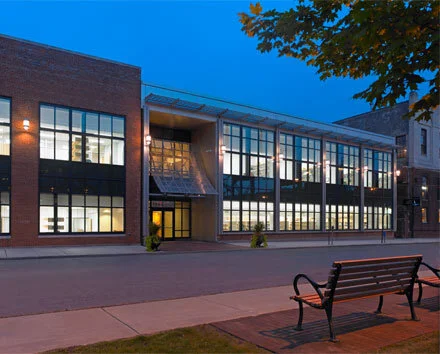
125 S 31st Street, Philadelphia, PA 19104
The Feradical laboratory investigates Amino Acid Innovation — how amino acid‑centered enzymatic chemistry and protein‑embedded cofactors create new chemical reactivity and biological function. Working at the interface of chemistry, biochemistry, biophysics, and chemical biology, the lab combines bioinformatics, genetic‑code expansion, mechanistic enzymology, advanced spectroscopy, and high‑resolution structural biology to discover new enzymes and reveal how metalloproteins and protein cofactors control reactivity and regioselectivity in amino‑acid metabolism, natural‑product biosynthesis, biodegradation, and redox signaling. The group emphasizes free‑radical and redox‑driven processes that enable chemistry beyond canonical amino acids and translates fundamental insights into tools for antibacterial and antiviral discovery, biocatalyst design, and novel approaches to cancer immunotherapy that target metabolic and immune checkpoints. The laboratory offers collaborative opportunities and an interdisciplinary training environment for graduate students and postdoctoral fellows, providing hands‑on experience with cutting‑edge methods that span from fundamental mechanisms to biomedical impact.
Lab Members
Angelica Graciano, Graduate (PhD) Research Assistant - B&B @ PSOM
Cassadee Stagliano, Postdoctoral Fellow
Inchul Shin, Lab Manager and Senior Research Associate
Jialu (Cherry) Shi, Graduate Student
Ran Duan, Postdoctoral Fellow
Shankhadeep Saha, Postdoctoral Fellow
Tingke Huang, Graduate Student
Yinjie Huang, Graduate Student
We welcome motivated undergraduate and graduate students, and postdoctoral scholars to join the lab.

Courses Taught
CHEM 2510 - Principles of Biological Chemistry - Fall 2026
