

New research seeks an mRNA therapy for heavy menstrual bleeding
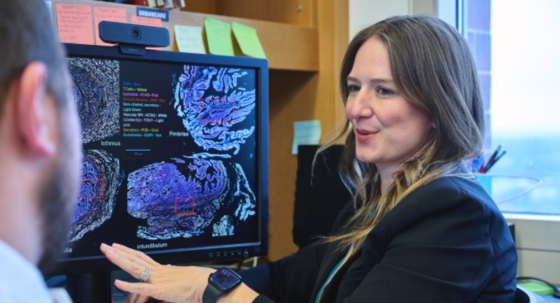
Every minute in the U.S., a woman requires a blood transfusion because of her period. “Heavy menstrual bleeding affects one in three women, but our resources for treating it are incredibly limited,” said Kathleen O’Neill, MD, an assistant professor of Obstetrics and Gynecology and the program director of the Uterine Transplant Program at the University of Pennsylvania.
That may be about to change, thanks to a new research program O’Neill is leading to develop a new type of mRNA therapy—a platform that can be used to explore the underlying causes of abnormal uterine bleeding and also to treat it.