

Congratulations to the winners of the 2025 CGH Photo Contest
We are happy to announce the winners of the 2025 CGH Photo Contest! First Place: Sheldon Amoo-Mitchual, MS4 Second Place: Ashlynn Cobb, MS2 Third Place: Avi Dravid, MS4
1ST Place:
Sheldon Amoo-Mitchual, MS4
Kweneng East, Botswana
September 2024
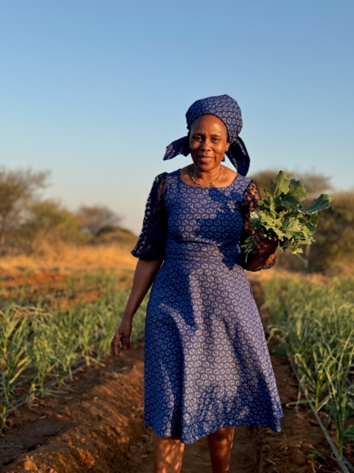
The main reason why I chose this photo is because it captured a special weekend during my year out in Botswana when I visited my research coordinator’s, Mma Monare, farm during my final weeks. While the headlines of 2025 have described massive floods in Botswana, 2024 was a much different picture. Botswana was just exiting an extreme drought from the 2023-2024 season which put a strain on agriculture, including Mma Monare’s farm. This picture to me represents not just the environmental and communal impact climate change poses to all parts of the globe, but the resilience people demonstrate to overcome such conditions.
2nd Place
Ashlynn Cobb, MS2
Istanbul, Turkey
August 2024


For my summer research project, I was investigating public health in Moldova, including unique solutions to Covid-19 vaccination. During a layover in Istanbul, I saw this street art advertising Covid vaccination on a pharmacy's storefront. I thought it was a fun, creative way to encourage people to get vaccinated.
3rd Place
Avi Dravid, MS4
Dar es Salaam, Tanzania
April 2025
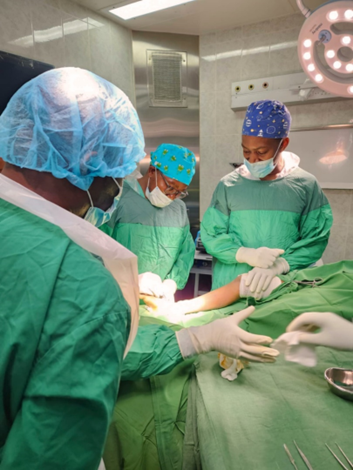
Orthopaedic conditions receive limited attention in global health discussions, despite being a leading cause of morbidity in low-resource settings. Unfortunately, this is especially the case in the context of pediatric orthopaedics, leaving many children with severe, uncorrected deformities that affect their education and employment prospects.
In Tanzania—a country of over 66 million people—there are fewer than 7 fellowship-trained pediatric orthopaedic surgeons. Demand far outpaces current workforce capabilities. However, teaching hospitals such as the Muhimbili Orthopaedic Institute (MOI) are at the forefront of surgical education and capacity-building in the region, equipping the next generation of providers with the skills needed to treat debilitating conditions and improve quality of life for countless patients.