
Adult Treatment Programs at the CTSA
The CTSA offers state-of-the-art evidence‑based treatment programs for adults experiencing obsessive‑compulsive and related disorders, PTSD, anxiety disorders, and other related conditions such as ARFID and misophonia. Our services are grounded in decades of clinical research and emphasize the use of gold‑standard cognitive‑behavioral therapies that have been shown to significantly reduce symptoms, improve long‑term functioning, and help people reclaim their lives.
At the CTSA, each individual receives a personalized treatment plan based on a thorough intake evaluation and tailored to their specific needs. Our clinicians are highly trained in specialized interventions such as Exposure and Response Prevention (Ex/RP) for OCD, Prolonged Exposure (PE) for PTSD, and other cognitive‑behavioral approaches that target avoidance, anxiety, and maladaptive behavioral patterns. Treatment is active, collaborative, and focused on helping individuals build meaningful skills that promote resilience, confidence, and improved quality of life.
Across all programs, the CTSA emphasizes compassionate care, transparency, and empowerment—ensuring that each adult feels supported, informed, and engaged throughout the treatment process. Whether individuals are coping with longstanding symptoms or more recent challenges, the CTSA provides a safe, structured environment where meaningful recovery can take place.
For more information on treatment programs available at our Center, please click below:
Since its founding in 1979, the Center for the Treatment and Study of Anxiety (CTSA) has been a national leader in the treatment of Obsessive–Compulsive Disorder (OCD). The most effective, research‑supported therapy for OCD was developed right here at the Center. Our team specializes in Exposure and Response Prevention (Ex/RP), a form of cognitive‑behavioral therapy that has consistently demonstrated strong results in reducing OCD symptoms and supporting long-term recovery.
How Ex/RP Works
Ex/RP typically involves 15–20 individual sessions, each lasting about 60 minutes. Treatment focuses on two key components:
- Exposure: Gradually and safely facing feared thoughts, images, and situations that trigger anxiety.
- Response Prevention: Learning to reduce and eventually eliminate compulsive behaviors such as checking, washing, or seeking reassurance.
Through Ex/RP, patients develop the skills to tolerate uncertainty, decrease ritualistic behaviors, and regain control over their daily lives.
Medication Consultation
For established CTSA patients, psychiatric evaluation is available to determine whether medications—alone or in combination with Ex/RP—may be beneficial.
Eligibility and Intake Process
After completing our new patient questionnaire, if our program appears to be a good fit, you will be scheduled for an intake evaluation with a clinician. This evaluation includes an in-depth clinical interview and completion of specialized assessment measures. Following the assessment, clinicians can provide individualized treatment recommendations. If CTSA’s programs are the best match for the patient’s needs, you will be placed on our waitlist and matched with a clinician as soon as possible.
If you are interested in any of our OCD treatment programs, the first step is to complete our New Patient Questionnaire for Adults 18 and over.
Prolonged Exposure (PE) therapy is one of the most effective, research‑supported treatments for Posttraumatic Stress Disorder (PTSD). At the CTSA, our clinicians have played a leading role in developing, studying, and refining PE since the 1980s. Today, PE is considered a gold‑standard therapy for trauma‑related disorders and is recommended by major health organizations worldwide.
What Is PE?
PE is a structured cognitive‑behavioral treatment that helps people gradually approach memories, situations, and feelings they have been avoiding since experiencing trauma. Avoidance is a natural response to distress—but over time, it can keep PTSD symptoms going. PE helps break this cycle in a safe, supportive, and evidence‑based way.
How PE Helps
Through PE, patients learn to:
- Reduce distress related to traumatic memories
- Reclaim activities and places they’ve avoided
- Develop confidence in their ability to cope with strong emotions
- Reconnect with daily life, relationships, and valued goals
PE works by helping you process the trauma so the memory becomes less overwhelming and loses its power to disrupt daily life.
What Treatment Looks Like
PE typically includes 10-20 weekly individual 60-minute sessions and follows a clear, collaborative structure. During therapy, patients work with their clinician to:
- Talk through the traumatic memory at a comfortable, agreed‑upon pace
- Gradually face safe but avoided situations in everyday life
- Build skills for managing strong emotions without avoidance
Engaging in these tasks leads to a significant reduction in symptoms and an improvement in quality of life by the end of treatment.
A Supportive, Experienced Team
At the CTSA, PE is delivered by clinicians who are highly trained in trauma-focused therapy and committed to working at the patient’s pace. Our goal is to help individuals regain a sense of safety, control, and connection—one step at a time.
Eligibility and Intake Process
After completing our new patient questionnaire, if our program appears to be a good fit, you will be scheduled for an intake evaluation with a clinician. This evaluation includes an in-depth clinical interview and completion of specialized assessment measures. Following the assessment, clinicians can provide individualized treatment recommendations. If CTSA’s programs are the best match for the patient’s needs, you will be placed on our waitlist and matched with a clinician as soon as possible.
If you are interested in our PTSD treatment program, the first step is to complete our New Patient Questionnaire for Adults 18 and over.
Watch the following videos to learn more about PE:
The CTSA offers specialized cognitive‑behavioral and exposure therapy for individuals with Social Anxiety Disorder. These evidence‑based approaches helps patients understand and change the thoughts and behaviors that maintain social anxiety. Treatment may include examining anxious thinking patterns, developing or strengthening social skills, and practicing real‑life social interactions.
What Treatment Involves
Treatment for social anxiety typically consists of 15-20 weekly 60-minute individual sessions and begins with the therapist and patient working together to develop a clear, personalized understanding of the patient’s symptoms—identifying the thoughts, behaviors, and situations that contribute to ongoing anxiety.
As treatment progresses, patients learn to:
- Identify safety behaviors and avoidances that inadvertently keep anxiety in place
- Build a graded hierarchy of feared or avoided social situations
- Confront these situations through structured exposure exercises
A variety of treatment tools—such as video feedback, behavioral surveys, imaginal exposure, social skills practice, and assertiveness training—are incorporated as needed to support progress.
Exposure Practice
Most sessions include at least one exposure exercise, giving patients the opportunity to practice facing feared situations in a supportive environment. Patients are also assigned weekly between‑session exposures to continue building confidence and to gather real‑world evidence about the likelihood of the feared outcomes.
Moving Toward Long‑Term Success
Treatment concludes with a focus on relapse prevention and future goal‑setting, helping patients maintain their gains and continue building meaningful social connections and activities.
Eligibility and Intake Process
After completing our new patient questionnaire, if our program appears to be a good fit, you will be scheduled for an intake evaluation with a clinician. This evaluation includes an in-depth clinical interview and completion of specialized assessment measures. Following the assessment, clinicians can provide individualized treatment recommendations. If CTSA’s programs are the best match for the patient’s needs, you will be placed on our waitlist and matched with a clinician as soon as possible.
If you are interested in our Social Anxiety treatment program, the first step is to complete our New Patient Questionnaire for Adults 18 and over.
The CTSA provides specialized cognitive‑behavioral and exposure therapy for individuals with Generalized Anxiety Disorder (GAD). This evidence‑based treatment helps patients understand the nature of chronic worry, build healthier thinking patterns, and develop practical skills for managing uncertainty and reducing anxiety in daily life.
What Treatment Involves
CBT for GAD typically consists of 15-20 weekly individual 60-minute sessions and involves a structured, collaborative approach that typically includes:
1. Understanding the Worry Cycle
Patients work with their therapist to identify the thoughts, behaviors, and emotional patterns that maintain excessive worry. This includes exploring triggers, understanding how worry functions as an attempt to cope, and recognizing how certain habits—such as avoidance, reassurance‑seeking, or checking—keep anxiety going.
2. Examining and Evaluating Anxious Thoughts
Patients learn to notice, question, and challenge fearful or unhelpful thinking patterns then practice distinguishing realistic concerns from worry‑driven predictions and develop more balanced, flexible ways of thinking.
3. Building Effective Coping Skills
Patients learn cognitive and behavioral strategies for managing worry, including problem‑solving skills, strategies for reducing overthinking, and techniques for increasing tolerance of uncertainty.
4. Relaxation and Stress‑Management Training
Depending on the individual’s needs, treatment may include skills such as relaxed breathing, muscle‑relaxation techniques, or mindfulness‑based exercises to help decrease physical tension and improve emotional regulation.
5. Exposure to Feared Situations and Thoughts
Patients gradually approach situations, activities, or internal experiences they typically avoid because of anxiety. This may include engaging in real‑life situations, practicing imaginal exposure to feared outcomes, or reducing safety behaviors that reinforce worry. Through repeated practice, patients learn that anxiety naturally decreases over time and that feared predictions are often less likely than they feel.
Eligibility and Intake Process
After completing our new patient questionnaire, if our program appears to be a good fit, you will be scheduled for an intake evaluation with a clinician. This evaluation includes an in-depth clinical interview and completion of specialized assessment measures. Following the assessment, clinicians can provide individualized treatment recommendations. If CTSA’s programs are the best match for the patient’s needs, you will be placed on our waitlist and matched with a clinician as soon as possible.
If you are interested in our Generalized Anxiety treatment program, the first step is to complete our New Patient Questionnaire for Adults 18 and over.
Cognitive‑behavioral and exposure therapy for Panic Disorder at the CTSA is a highly effective, research‑supported approach designed to help individuals understand and overcome panic symptoms.
What Treatment Involves
Treatment typically consists of 15-20 weekly individual 60-minute sessions focused on three core components:
1. Education About Panic
Patients learn how panic attacks develop, why physical sensations feel overwhelming, and how the body’s natural stress response contributes to symptoms. This understanding helps reduce fear of panic and creates a foundation for recovery.
2. Exposure to Feared Sensations and Situations
A central part of treatment involves gradually confronting physical sensations—such as dizziness, increased heart rate, or shortness of breath—that trigger fear. Patients also practice entering situations they have been avoiding due to panic. Through repeated, structured exposure exercises, they learn that these sensations and situations are safe and tolerable.
3. Processing Unhelpful Thoughts and Beliefs
Therapists work with patients to identify and evaluate the anxious thoughts that contribute to panic, such as fears of losing control or experiencing a medical emergency. Patients learn more balanced, realistic ways of interpreting bodily sensations and external situations.
Together, these components help reduce the frequency and intensity of panic attacks, build confidence, and support long‑term recovery.
Eligibility and Intake Process
After completing our new patient questionnaire, if our program appears to be a good fit, you will be scheduled for an intake evaluation with a clinician. This evaluation includes an in-depth clinical interview and completion of specialized assessment measures. Following the assessment, clinicians can provide individualized treatment recommendations. If CTSA’s programs are the best match for the patient’s needs, you will be placed on our waitlist and matched with a clinician as soon as possible.
If you are interested in our Panic Disorder treatment program, the first step is to complete our New Patient Questionnaire for Adults 18 and over.
Specific phobias involve intense fear of particular objects or situations—such as flying, heights, small animals or insects, receiving injections, or seeing blood. Although the feared items may vary widely, the treatment approach is well‑established and highly effective.
At the CTSA, cognitive‑behavioral and exposure therapy for specific phobias typically consists of 15-20 weekly individual 60-minute sessions that focus on helping individuals understand their fear and gradually regain control over the situations they avoid.
What Treatment Involves
1. Education About Phobias
Patients learn how specific phobias develop and why anxiety persists over time. Understanding the fear response helps reduce uncertainty and provides a strong foundation for treatment.
2. Exposure to Feared Situations and Sensations
The core of treatment involves gradually and repeatedly confronting the feared object or situation in a safe, structured way. This may include real‑life exposure, imagery‑based practice, or exercises designed to bring on physical sensations that trigger anxiety. Over time, patients learn that the feared outcomes are less likely than they feel and that their anxiety naturally decreases with practice.
3. Processing Unhelpful Thoughts and Beliefs
Therapists work with patients to identify and evaluate the thoughts that fuel their fear—for example, overestimating danger or underestimating their ability to cope. Through CBT techniques, patients learn more balanced and realistic ways to interpret the situations they fear.
Eligibility and Intake Process
After completing our new patient questionnaire, if our program appears to be a good fit, you will be scheduled for an intake evaluation with a clinician. This evaluation includes an in-depth clinical interview and completion of specialized assessment measures. Following the assessment, clinicians can provide individualized treatment recommendations. If CTSA’s programs are the best match for the patient’s needs, you will be placed on our waitlist and matched with a clinician as soon as possible.
If you are interested in our Specific Phobia treatment program, the first step is to complete our New Patient Questionnaire for Adults 18 and over.
The CTSA offers specialized cognitive‑behavioral therapy (CBT) for individuals with trichotillomania (hair pulling disorder) and excoriation disorder (skin picking disorder). Treatment typically consists of 15-20 individual 60-minute sessions. Treatment is structured, evidence‑based, and designed to help patients understand their symptoms, build new habits, and regain control over pulling or picking behaviors.
What Treatment Involves
1. Education About the Disorders
Therapists provide a clear explanation of how these conditions develop and what factors keep them going—such as emotional triggers, automatic habits, and environmental cues. This foundation helps patients make sense of their patterns and prepares them for change.
2. Awareness Training and Self‑Monitoring
A key step in treatment is increasing awareness of when and how pulling or picking occurs. Patients learn to identify early urges, triggers, and situations that increase the likelihood of the behavior. Self‑monitoring tools, such as logs or brief check‑ins, help build this awareness and guide treatment planning.
3. Stimulus Control Strategies
Patients work with their therapist to modify their environment to make pulling or picking less likely. This may include adjusting lighting, covering mirrors, using fidget items, or changing daily routines. These strategies reduce opportunities for automatic behavior and support new skills.
4. Habit Reversal Training (HRT)
Habit Reversal is the core of treatment. Patients practice competing responses—alternative behaviors that make pulling or picking physically difficult or impossible when urges arise. Over time, these new responses become more automatic, reducing both the frequency and intensity of pulling or picking.
5. Maintaining Progress and Preventing Relapse
Treatment concludes with a focus on long‑term maintenance. Patients work with their clinician to develop strategies for managing setbacks, strengthening new habits, and continuing progress beyond therapy.
Eligibility and Intake Process
After completing our new patient questionnaire, if our program appears to be a good fit, you will be scheduled for an intake evaluation with a clinician. This evaluation includes an in-depth clinical interview and completion of specialized assessment measures. Following the assessment, clinicians can provide individualized treatment recommendations. If CTSA’s programs are the best match for the patient’s needs, you will be placed on our waitlist and matched with a clinician as soon as possible.
If you are interested in our Trichotillomania or Excoriation treatment program, the first step is to complete our New Patient Questionnaire for Adults 18 and over.
The CTSA offers specialized cognitive‑behavioral and exposure therapy for Avoidant/Restrictive Food Intake Disorder (ARFID). Treatment usually consists of 15-20 weekly individual 60-minute sessions and is designed to be collaborative, structured, and tailored to each patient’s unique pattern of avoidance, sensory sensitivities, and eating‑related fears.
What ARFID Treatment Involves
1. Assessment and Individualized Case Formulation
Treatment begins with a comprehensive evaluation to understand the factors contributing to limited eating. This includes exploring sensory sensitivities, fear‑based reactions (such as fear of choking, vomiting, or aversive gastrointestinal sensations), low appetite or lack of interest in food, and patterns that reinforce avoidance. Together, the clinician and patient create an individualized plan that guides treatment targets and goals.
2. Psychoeducation About ARFID
Patients and families learn how ARFID develops and why eating avoidance persists over time. Education helps reduce confusion, increase motivation, and strengthen a shared understanding of how treatment works.
3. Increasing Awareness of Eating Patterns
Patients learn to identify cues that precede avoidance, such as sensory discomfort, anxious thoughts, loss of appetite, or behavioral habits that restrict food variety and intake. Self‑monitoring tools help track progress, identify triggers, and inform treatment planning.
4. Gradual Exposure to Feared or Avoided Foods
Exposure is a central component of ARFID treatment at the CTSA. Patients slowly and systematically try foods that are unfamiliar, previously avoided, or associated with fear. Exposure exercises may include:
- Sensory exposure: touching, smelling, and tasting new foods
- Fear‑based exposure: eating foods associated with choking, vomiting, or other feared outcomes
- Portion and variety expansion: increasing both the amount and diversity of foods consumed
Through repeated practice, patients learn that feared outcomes are unlikely and that new foods can be tolerated or even enjoyed.
5. Behavioral Skills to Support Eating
Treatment incorporates strategies that help patients overcome physical or emotional barriers to eating, such as:
- Appetite awareness and hunger‑building techniques
- Increasing mealtime structure
- Slowing down anxious avoidance responses
- Parent or caregiver involvement (for younger patients) to support consistent progress
6. Sensory‑Focused Interventions
For individuals whose eating is limited due to sensory sensitivities, treatment includes gradual sensory desensitization, exploration of new textures, and practice tolerating challenging sensations in a supportive and predictable manner.
7. Cognitive Strategies
Patients learn to identify and challenge thoughts that contribute to avoidance—such as catastrophic predictions about choking, nausea, or texture discomfort—and develop more flexible, realistic beliefs about eating.
8. Maintenance and Long‑Term Success
As treatment progresses, the focus shifts toward maintaining gains, increasing independence with eating, and strengthening skills for continued food expansion. Relapse‑prevention planning ensures patients and families feel confident sustaining progress after therapy ends.
Eligibility and Intake Process
After completing our new patient questionnaire, if our program appears to be a good fit, you will be scheduled for an intake evaluation with a clinician. This evaluation includes an in-depth clinical interview and completion of specialized assessment measures. Following the assessment, clinicians can provide individualized treatment recommendations. If CTSA’s programs are the best match for the patient’s needs, you will be placed on our waitlist and matched with a clinician as soon as possible.
If you are interested in our ARFID treatment program, the first step is to complete our New Patient Questionnaire for Adults 18 and over.
The Center for the Treatment and Study of Anxiety offers specialized cognitive‑behavioral and exposure therapy (CBT) for Illness Anxiety Disorder (formerly “hypochondriasis”) and Somatic Symptom Disorder. These evidence‑based treatments help individuals reduce excessive health‑related anxiety, decrease checking and reassurance‑seeking behaviors, and improve daily functioning and quality of life. Treatment typically consists of 15-20 individual weekly 60-minute sessions.
Understanding the Disorders
People with Illness Anxiety Disorder or Somatic Symptom Disorder often experience:
- Intense worry about having or developing a serious medical condition
- Persistent attention to bodily sensations
- Repeated checking, researching, or seeking reassurance
- Difficulty being reassured by normal medical evaluations
- Significant distress or impairment due to health‑focused thoughts and behaviors
Treatment at the CTSA is designed to address these patterns in a structured, compassionate, and highly effective way.
What Treatment Involves
1. Psychoeducation About Health Anxiety
Patients learn how health‑related fears develop and what keeps them going. Understanding the role of bodily sensations, misinterpretations, attention, and anxiety helps demystify symptoms and form the foundation for change.
2. Identifying Maintaining Factors
Together, the therapist and patient explore the thoughts, behaviors, and emotional reactions that inadvertently reinforce illness fears, including:
- Repeated checking of the body
- Internet searches about symptoms
- Requesting frequent reassurance
- Avoidance of activities related to feared illnesses
- Hyperfocus on bodily sensations
This individualized formulation guides treatment goals.
3. Cognitive Evaluation and Restructuring
Patients learn to identify and evaluate unhelpful thoughts—such as catastrophic interpretations of minor sensations (“This headache means something is seriously wrong”). Therapy focuses on developing more accurate and flexible thinking about symptoms, uncertainty, and health.
4. Exposure and Reduction of Compensatory Behaviors
A core component of treatment involves gradually confronting feared sensations, situations, and uncertainty while reducing reassurance‑seeking and checking behaviors. Examples may include:
- Reading medical information without compulsive researching
- Not checking the body for symptoms
- Reducing doctor‑seeking behaviors
- Engaging in previously avoided activities
Through repeated practice, patients learn that feared outcomes are unlikely and that anxiety naturally decreases over time.
5. Shifting Attention and Reducing Symptom Monitoring
Patients practice strategies for decreasing hypervigilance toward bodily sensations and redirecting attention to valued activities and goals.
6. Behavioral Activation and Life Re‑Engagement
Because health anxiety often limits participation in work, social activities, and hobbies, treatment includes gradual re‑engagement with meaningful, avoided activities that improve wellbeing and reduce focus on symptoms.
7. Relapse Prevention and Long‑Term Maintenance
Treatment concludes with planning for long‑term success, including how to manage future health concerns, reduce the likelihood of returning to old patterns, and maintain healthier coping strategies.
Eligibility and Intake Process
After completing our new patient questionnaire, if our program appears to be a good fit, you will be scheduled for an intake evaluation with a clinician. This evaluation includes an in-depth clinical interview and completion of specialized assessment measures. Following the assessment, clinicians can provide individualized treatment recommendations. If CTSA’s programs are the best match for the patient’s needs, you will be placed on our waitlist and matched with a clinician as soon as possible.
If you are interested in our Illness Anxiety or Somatic Symptom Disorder treatment program, the first step is to complete our New Patient Questionnaire for Adults 18 and over.
The CTSA offers specialized cognitive‑behavioral therapy (CBT) for misophonia, a condition in which certain sounds—often chewing, breathing, tapping, or other everyday noises—trigger intense emotional and physical reactions such as anger, panic, disgust, or anxiety. These reactions can lead to significant distress, avoidance, and impairment in daily life.
CBT for misophonia typically includes 15-20 weekly individual 60-minute sessions. Treatment involves a structured, evidence‑informed approach designed to help individuals understand their sound sensitivities, reduce emotional reactivity, and regain control in situations where triggering sounds occur.
What Treatment Involves
1. Comprehensive Assessment and Case Formulation
Treatment begins with a thorough evaluation to identify:
- Specific trigger sounds
- Emotional, cognitive, and physiological reactions
- Avoidance patterns and safety behaviors
- Relationship and functional impacts (e.g., eating with family, work environments)
Together, the therapist and patient create an individualized model that explains what maintains misophonia and guides treatment goals.
2. Psychoeducation About Misophonia
Patients learn how sound triggers become linked with strong emotional responses and why these reactions persist. Education often reduces fear and confusion and helps patients and families understand that misophonia is a real and treatable condition.
3. Awareness Training
Patients begin recognizing early cues that a trigger response is building—such as muscle tension, spike in attention to the sound, anger, or urges to escape. Increased awareness helps interrupt the automatic reaction cycle and enhances self‑regulation.
4. Cognitive Restructuring and Flexibility
Misophonia often involves rigid or catastrophic thoughts (e.g., “I can’t stand this,” “They’re doing this on purpose,” “I have to leave immediately”). CBT teaches patients to:
- Identify unhelpful thoughts
- Evaluate alternative explanations
- Develop more flexible and balanced interpretations
- Reduce personalization of others’ behavior
These skills help decrease the emotional intensity of trigger moments.
5. Exposure to Trigger Sounds
Exposure is a core component of misophonia treatment at the CTSA. Patients gradually face trigger sounds in a controlled, supportive environment while using new coping strategies. Exposures may include:
- Listening to recordings of trigger sounds
- Practicing in simulated environments
- Gradually engaging in real‑life situations (e.g., family meals, workplace meetings)
The goal is not to “like” the sounds but to reduce the automatic emotional surge and increase tolerance.
6. Response Prevention and Coping Skill Development
Patients work on reducing behaviors that maintain misophonia, such as:
- Constantly leaving or escaping triggering situations
- Using earplugs or headphones excessively
- Seeking reassurance
- Avoiding certain people or places
At the same time, they learn adaptive skills such as grounding techniques, attention‑shifting, breath regulation, and distress‑tolerance tools.
7. Improving Emotional Regulation
Treatment includes tools for managing anger, anxiety, or panic reactions. Patients learn techniques to lower physiological arousal, regain a sense of control, and respond to triggers in a calmer, more intentional way.
8. Communication and Interpersonal Strategies
Because misophonia can strain relationships, treatment may involve:
- Discussing symptoms constructively with family members
- Developing shared coping plans for meals or sound‑related challenges
- Navigating sensitivity in workplace or school settings
This component aims to reduce conflict, increase understanding, and improve support.
9. Maintenance and Long‑Term Success
As therapy progresses, patients create a plan to maintain gains, anticipate future challenges, and continue practicing skills independently. Relapse‑prevention strategies help ensure long‑term improvement.
Eligibility and Intake Process
After completing our new patient questionnaire, if our program appears to be a good fit, you will be scheduled for an intake evaluation with a clinician. This evaluation includes an in-depth clinical interview and completion of specialized assessment measures. Following the assessment, clinicians can provide individualized treatment recommendations. If CTSA’s programs are the best match for the patient’s needs, you will be placed on our waitlist and matched with a clinician as soon as possible.
If you are interested in our Misophonia treatment program, the first step is to complete our New Patient Questionnaire for Adults 18 and over.
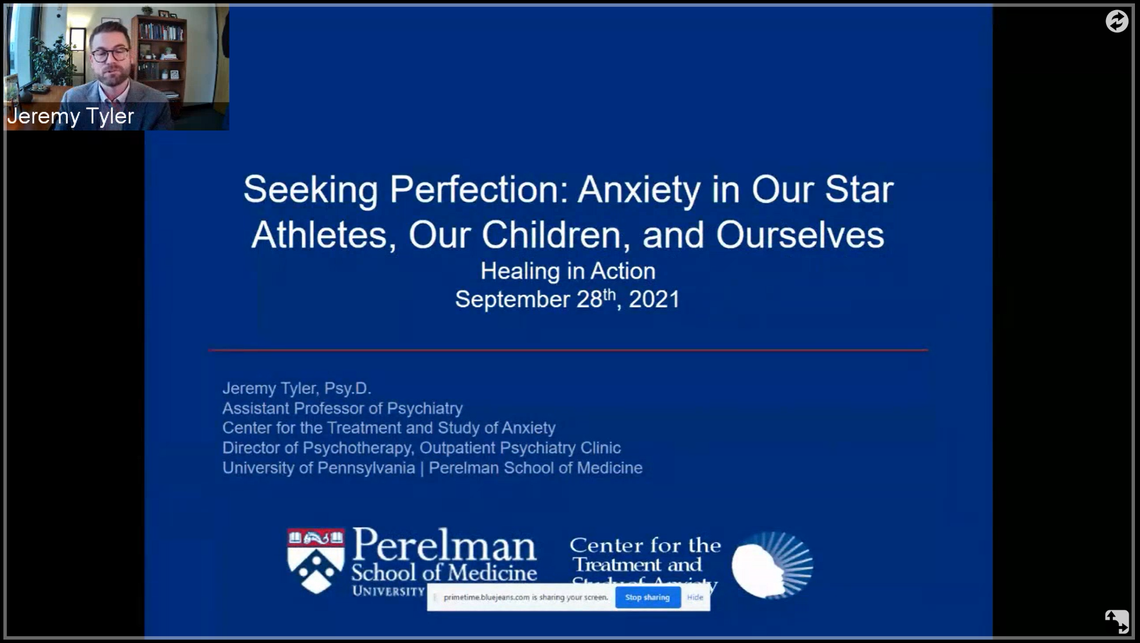
CTSA's Dr. Jeremy Tyler discusses perfectionism and anxiety in this 45 minute client-oriented talk.
Back to Top